
What Is Cupping Therapy? Benefits and Who It's For
If you've ever seen someone with round, dark-red marks on their back or shoulders, those are from cupping therapy — an ancient practice that's popular again among health enthusiasts and athletes alike. This article explains what cupping is, how it works, and its benefits.
What Is Cupping Therapy?
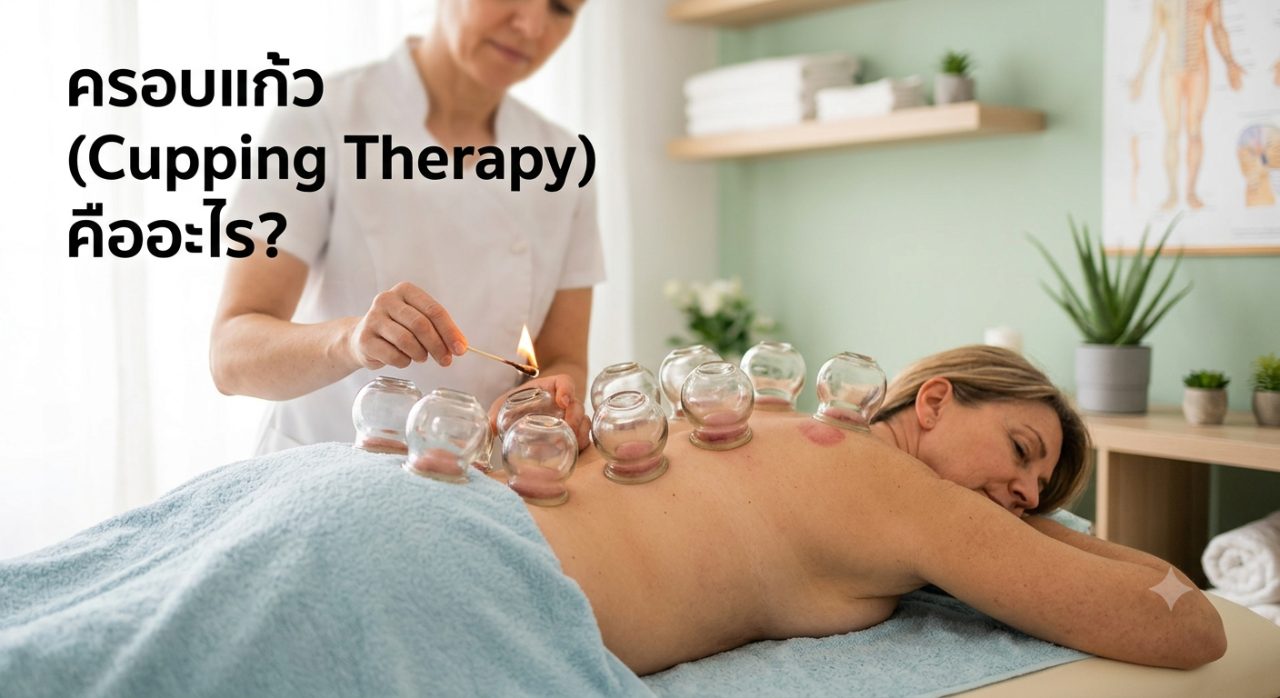
Cupping is a therapy in which cups (glass, silicone, or plastic) are placed on the skin and a vacuum suction is created inside them, drawing the skin and tissue upward. It has deep roots in traditional Chinese medicine and other cultures around the world.
The suction stimulates blood flow in the treated area and is believed to release tight muscles and ease pain. The round marks it leaves usually fade on their own within a few days.
Types of Cupping
- Dry cupping — cups are placed and suction applied directly on the skin; the most common type.
- Moving/sliding cupping — oil is applied and the cups are glided along the muscles, similar to massage.
- Wet cupping — involves small skin incisions as well; a medical procedure that must be done by a specialist.
Benefits of Cupping Therapy
1. Boosts circulation — suction increases blood flow in the treated area.
2. Releases tight muscles — helps reduce tension and knots, especially in the back and shoulders.
3. Eases pain — many use cupping to relieve chronic back and muscle pain.
4. Aids muscle recovery — popular among athletes to relax muscles after exercise.
5. Reduces stress and relaxes — the soothing effect helps ease tension.
Note: Some benefits are still under scientific study. Cupping should be a complementary option, not a replacement for medical treatment.
Who Is Cupping For?
- People with back, neck, and shoulder pain from work or long sitting
- Athletes and gym-goers wanting muscle recovery
- Anyone with built-up muscle tension
- Those who want to try an alternative therapy alongside massage
What to Know and Watch Out For
- Round red or purple marks appear after cupping and usually fade within 3–7 days.
- People with delicate skin, bleeding tendencies, or who take blood thinners should consult a doctor first.
- Pregnant women should consult a doctor and avoid certain areas.
- Avoid areas with wounds, rashes, inflamed skin, or varicose veins.
- People with conditions such as diabetes, skin disease, or blood disorders should consult a doctor first.
- Choose a trained, knowledgeable practitioner — especially for wet cupping, which must be done by a medical specialist.